All Posts
How I Write Blog Posts
People still draw, paint and make music themselves because they’re fun activities. But long-form writing is the opposite of fun. The Hemingway and pals cliché of writing with a stiff drink close-by, presumably to dull the ache of pulling the words out, exists for a reason.
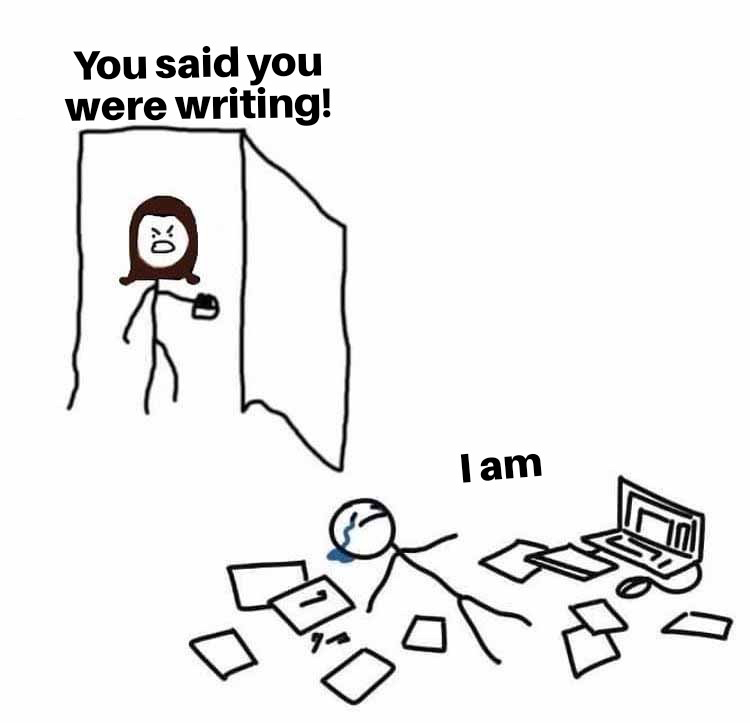
So why not automate away the drudgery then? As painful as the writing process can be, nothing is also as satisfying. Writing that’s been tightly edited and shaped by your own unique perspective and taste, can move people like nothing else. It can expand minds, bring people together, turn around fortune 500 companies, inspire revolution, and free parts of yourself that are frozen.
I’ve been writing at pketh.org for over a decade (Since 2014, and it’s not even my first blog :0). I’ve slowly learned some things, and developed a semblance of process that might fit you too.
Step 1: Collect Everything
When I have a germ of an idea I might want to write about I’ll collect my rough and unorganized thoughts in a Kinopio space. Over the next couple weeks, when something new occurs to me or I stumble on a related link, image, or idea I’ll throw that in the space too.
When enough time has passed I’ll clean things up. Connect related ideas, maybe draw a box to group cards by theme. I might also use lines to separate planned sections. You could use other outliner or mindmapping tools for this, but I find Kinopio really shines here because of how fast and fluid it is. For example, here’s the space I made for this post:
Sometimes a space goes nowhere because I realize that I don’t have enough to write about, or that I’m actually not that passionate about the topic after a couple weeks. Sometimes I need to keep it swishing in the back of my head for a little while longer.
Every step before writing exists to build up the confidence to start writing.
If I need extra courage, I may also copy some related cards for a key point into a private space note and reword them into a paragraph I can use later. Notes are a good place for in-context noodling.
Step 2: Lay the Pipe
When you’re ready to write sentences, it’s time to start writing the first draft. ‘Draft’ implies that everything is rough, but I have a tendency to reword and polish the same sentence over-and-over as I go.
When you’ve got to form clear, cohesive, and compelling sentences, there’s nothing to hide behind anymore. Not so coincidentally, this is when I realize that I was fundamentally wrong about something, or I unearthed some nuance that I was missing before. That’s discouraging the first couple times, but eventually you learn that’s totally expected – reshaping your ideas is part of the process. This is why writing is thinking, and why prompting an LLM to write for you always results in slop.
I typically type things out in TextEdit or IA Writer because I like a pretty basic text editor. I also always have the wonderful macOS Dictionary app open off to the side somewhere. (IMO Dictionary is the nicest app that Apple makes, I hope they’ve forgot it exists so they won’t mess it up.)
I can be more or less extra at this stage. Sometimes I write the first rough draft in a coffeeshop with my phone connected to a keyboard. Or when travelling, I’ll put my laptop on a stand wherever with a keyboard and mouse plugged in. This arrangement causes me to write with slightly more polish and editing.
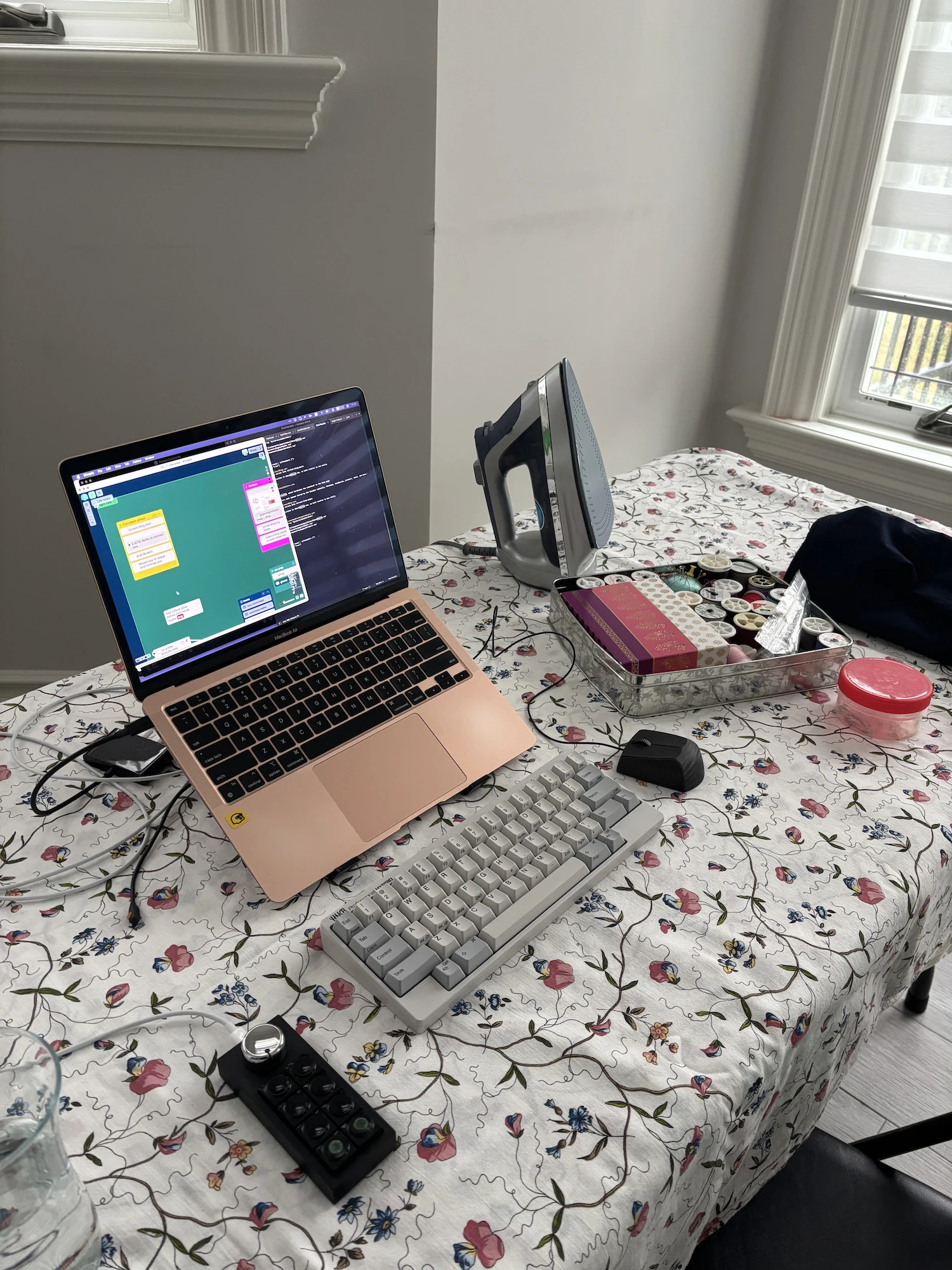
Nowadays though, not knowing when I’ll have newborn baby crying/diapers emergencies to handle, I’m typing this at my normal desk, but I quit every app, and rotate my monitor.
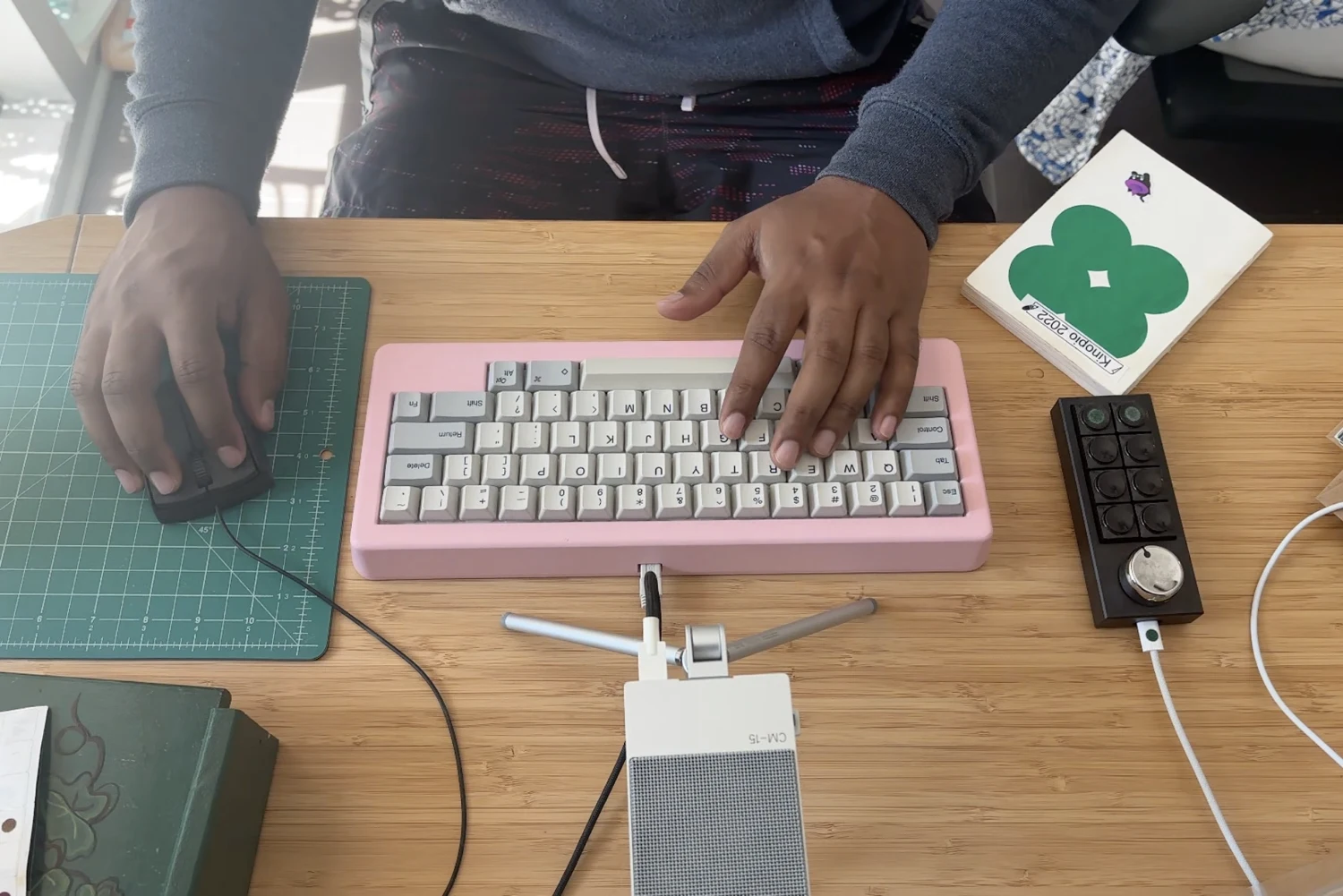
The through-line is that I’m trying to create some tangible feeling of separation from my normal work. In desperate times no idea is too whimsical. Some other things you could try are switching to a special keyboard you only use for writing, or wearing something special you only wear when you write.
Also, it’s so easy to lose yourself in rabbit-holes or self-pity right now, so add some momentum pressure with a self-imposed due date of 1-3 days to keep you on track.
Steps 3-50: Edit, Polish, Repeat
Writing something helpful and entertaining helps me spread awareness of Kinopio more effectively than coding new features. But even knowing that, I really don’t write often enough. The conferences, podcasts, and publications I’ve been invited to have all been because of the small audience I’ve built by writing. Sometimes the bug reports and feature requests can wait – they’ll be there when I get back.
Strangely, we vocalize with our own voices without really thinking about it. But writing from that same personal voice takes a lot of editing and revisions. Everyone knows the old Mark Twain quote,
“If I had more time I would’ve written a shorter letter”
What makes bad writing bad is that it takes up a lot of space to say not much useful and conveys no sense of the writer’s voice. Slop writing filled the academic and corporate worlds way before LLMs were around to generate it.

If you’re writing professionally and want results, it’s even more important to skip the anonymous corpo-speak and say what you mean directly.
Writing with the confidence you have only on your best days takes time and bravery, but it’s worth it.